 Russia
  Netherland
  Vietnam



Building the grid, then making it answer back
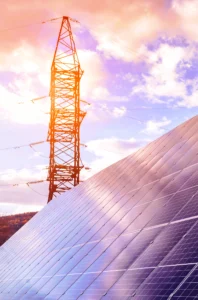
Netis builds and maintains the medium and low voltage networks that move electricity across Africa — lines, substations, transformers and metering — and the smart layer that makes them observable.
What a flat curve is worth
The same site, across one working day, in cost per hour. Without storage and control, every peak is bought at peak price. With them the curve flattens, the contracted demand falls, and the expensive hours stop setting the bill.
Indexed illustration. The real curve comes from your own quarter-hourly meter data and your tariff, which are the first two things we ask for.
Three kinds of grid work
Extending a utility network, energising an industrial estate and electrifying a village that has never had power are three different jobs. They share the same engineering discipline and almost nothing else.
Medium and low voltage infrastructure
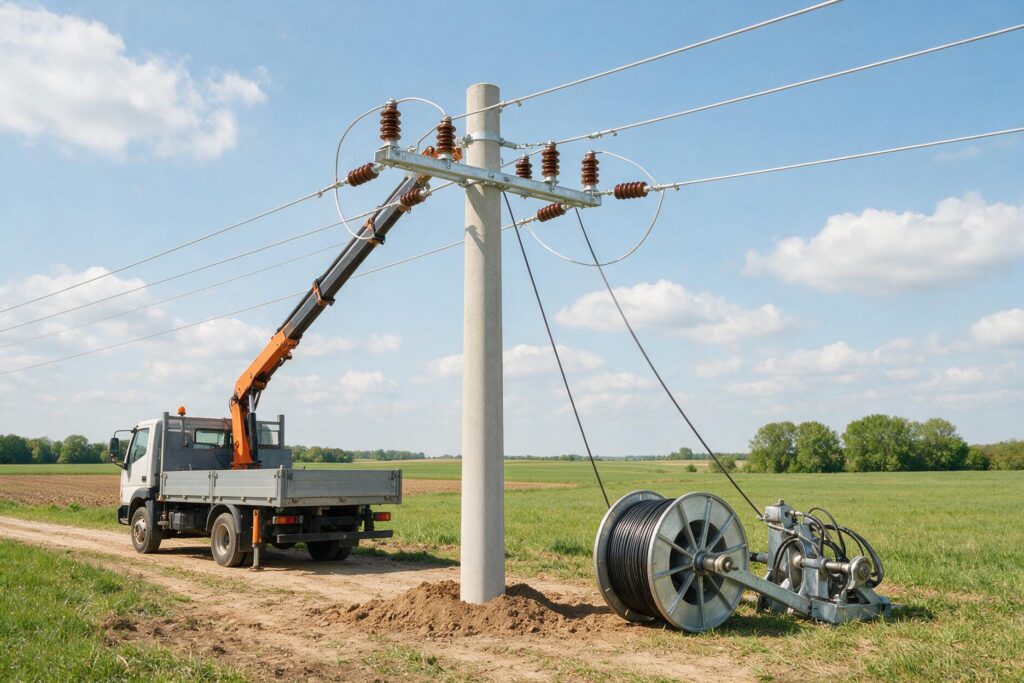
Grid equipment and infrastructure at MV and LV: transformers, switchgear, protection, overhead lines and underground cable, poles, cross-arms and terminations. Supplied and installed to the standard the utility will accept, because a network that cannot be energised is not an asset.
Electrical distribution systems inside the site boundary are engineered together with the connection outside it, so the two halves actually meet.
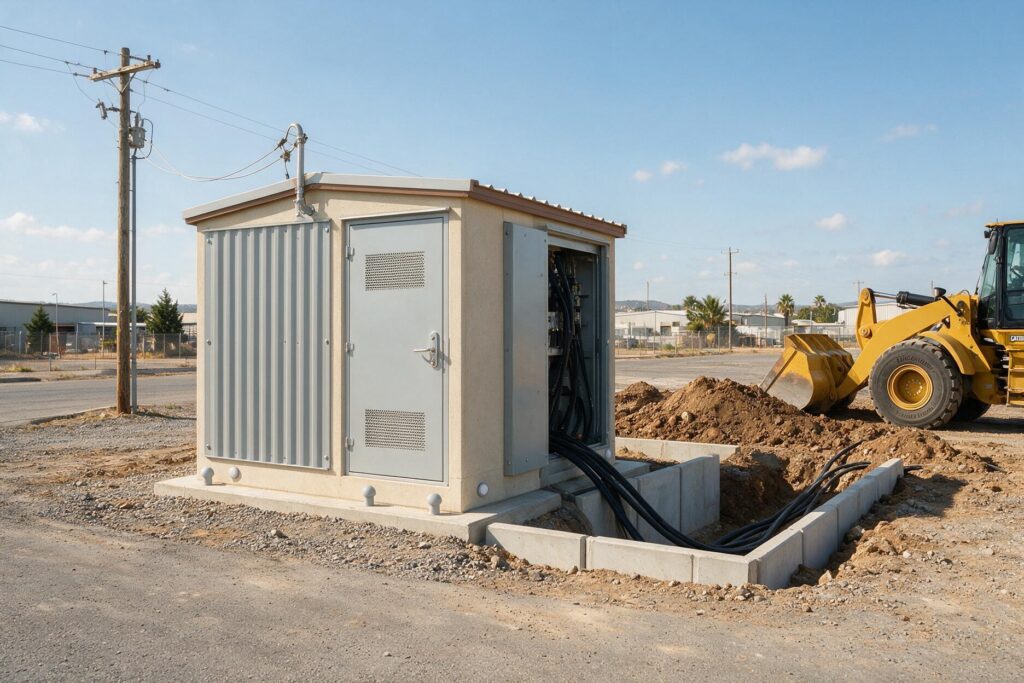
Grid projects, built end to end
Grid project construction as a single contract: route survey, design, civil works, substation kiosks, line stringing, terminations, testing and energisation. Then maintenance of the grid once it is live, because the first year is when the workmanship shows.
Mini-grids, turnkey
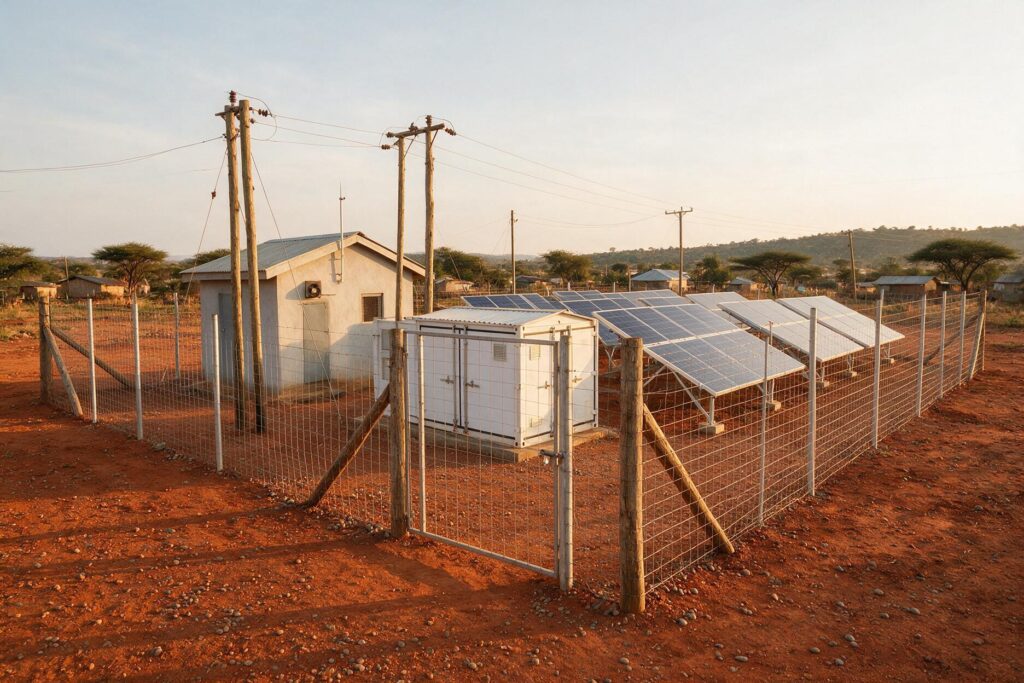
Turnkey mini-grid projects for sites and communities the network has not reached. Generation, storage, distribution and metering delivered as one system, sized on the demand that actually exists rather than on the demand a spreadsheet assumes.
Solar-hybrid microgrid EPC sits alongside this, where the generation mix rather than the network is the hard part.
Instrumentation is what makes a grid smart, not the label
Smart controllers and sensors on the assets, a supervision layer above them, and integration with the dashboards your operations team already watches. Without the first, the other two have nothing to report.
Sensors and controllers
Supervision
Dashboard integration
Maintenance of grid
From the substation to the meter
Equipment, construction and maintenance across medium and low voltage distribution networks.
Transformers, Switchgear and Metering
Transformers, MV switchgear, poles, conductors, protection and metering supplied to network specification.- Distribution transformers
- MV switchgear and protection
- Poles, conductors and hardware
- Metering equipment
Lines and Substations Built
Overhead and underground line construction, substation works, cabling and energisation to operator standards.- Overhead line construction
- Underground cable networks
- Substation civil and electrical works
- Energisation and handover
Power Beyond the Network
Complete mini-grid projects for isolated communities and industrial sites, generation through to distribution.- Generation, storage and distribution
- LV reticulation to end users
- Metering and prepayment
- Remote supervision
LV Boards and Protection
LV distribution, boards and protection for industrial, commercial and public infrastructure sites.- LV distribution boards
- Protection and coordination
- Cable networks and terminations
- Earthing and bonding
Telemetry Across the Network
Telemetry on fuel level, temperature and alarms, giving remote visibility on assets across the network.- RTU and smart controllers
- Sensor networks and alarms
- Integration with O&M dashboards
- Fault detection and reporting
Inspected, Repaired, Restored
Preventive inspection and corrective works on lines, substations and distribution assets.- Preventive line inspection
- Corrective works and restoration
- Substation maintenance
- Vegetation and corridor management
Grid work, in plain terms
Do you work for utilities, or for private sites?
What is the difference between a mini-grid and a microgrid?
Can you connect our site to the utility network?
What does the monitoring layer actually give us?
Can you maintain a network you did not build?
How do you size storage on a grid project?
Send us the network you have and the one you need
Existing single-line diagrams, the connection point and its constraints, and the loads you are trying to serve. That is enough for a design approach and a build estimate.